



A good email marketing strategy is based on a good story. Nike’s not the only company making shoes, and Apple’s not the only org crafting epic tech. True, they’re both good at what they do, but it’s their storytelling and marketing campaigns that have helped them soar above the rest.
This article explains how to incorporate storytelling in your email marketing campaigns to build your brand, get more click-throughs, and inspire action like the best of them.
7 Steps to Incorporate Storytelling in Your Email Marketing Campaigns
Many emails compete for attention, but only a few truly connect. The difference often lies in storytelling. When done right, storytelling helps your emails stand out, hold attention beyond the subject line, and encourage meaningful action.
1. Create a Consistent Brand Narrative
According to Edelman research, 81% of consumers consider brand trust a deal-breaker or deciding factor in their purchasing decisions.
Your brand story should feel familiar every time someone reads your email. Consistency builds recognition and trust. A simple way to approach this is by keeping your messaging clear, accurate, and easy to understand across all communications.
Start by defining a core message that reflects your values, purpose, and what makes your brand different. Every email should build on this foundation so your audience gradually understands and remembers what your brand stands for.
To maintain consistency:
Create clear brand voice guidelines that define tone, style, and messaging
Repeat key themes, phrases, or ideas that reflect your mission
Ensure your emails align with your website and social media so the story feels connected everywhere
This consistency often extends behind the scenes, too, like how teams rely on an employee scheduling tool like Homebase to ensure smooth operations that support the experience your emails promise. When your narrative stays consistent, your emails become more recognizable, and your audience finds it easier to connect with your brand over time.
2. Start with an Engaging Hook
The opening lines of your email decide whether someone keeps reading or moves on. A strong hook captures attention immediately and creates curiosity. It can be a question, a surprising insight, or a short story that feels relevant to your audience.
To make your opening more engaging:
Ask a question that makes the reader pause and think
Share a striking statistic that highlights a problem or opportunity
Start with a short, relatable moment that your audience recognizes
The goal is simple, give readers a reason to stay. Once they’re interested, they’re far more likely to read the rest of your message and take action.
3. Use Relatable Characters or Personas
According to Sprout Social, 70% of consumers feel more connected to brands when the CEO is active on social media.
Stories feel more real when they include people your audience can relate to. Introducing a character, whether it’s a customer, an employee, or even a fictional persona, helps readers see themselves in the story.
You can bring this to life by:
Sharing your founder’s journey and the challenges behind building the business. You can also share how your founder or team builds their personal brand on social platforms like LinkedIn, Instagram, and X, giving your audience a more direct and relatable view of the people behind the brand.
Highlighting employee stories that show the human side of your brand
Creating a persona that reflects your audience’s goals, struggles, and everyday experiences
When readers recognize themselves in your story, the message becomes more meaningful and easier to connect with.
4. Incorporate Customer Success Stories
Nielsen data confirms that 92% of consumers trust recommendations from friends and family (earned media) above all other forms of advertising.
Customer stories add credibility and show real outcomes. Instead of simply explaining what your product or service does, show how it has helped someone solve a problem or achieve a goal.
To make these stories more impactful:
Share real customer journeys, including their challenges and results
Use testimonials to provide authentic voices and experiences
Present case studies with clear before-and-after comparisons and measurable outcomes. For instance, showing how customers improved performance through skill-based learning adds depth and makes the outcome more tangible.
These stories help build trust because they demonstrate real value through real experiences, making it easier for potential customers to imagine similar results for themselves.
5. Personalize the Story to the Reader
According to Experian Marketing Services research, personalized emails deliver 6x higher transaction rates and revenue per email compared to non-personalized mailings.
Personalization helps your emails feel relevant instead of generic. When your story reflects the reader’s interests, behavior, or past interactions, it becomes easier for them to connect and respond.
To make your storytelling more personal:
Use details like names, preferences, or location to tailor your message
Segment your audience based on behavior, interests, or purchase history
Use dynamic content that adapts the story for different groups of readers.
When readers feel like the message is meant for them, they are more likely to engage and take action.
6. Focus on Emotional Triggers
A study by Harvard Business Review found that emotionally connected customers are more than 2x as valuable as highly satisfied customers.
Stories are more memorable when they create an emotional response. Whether it’s empathy, excitement, hope, or achievement, emotion helps strengthen the connection between your brand and your audience.
You can build this connection by:
Highlighting real challenges your audience faces and showing how your brand helps solve them
Using descriptive language and visuals that bring the story to life
Sharing milestones, achievements, or meaningful initiatives that reflect your values
When your story resonates emotionally, it builds trust and encourages readers to stay engaged with your brand.
7. End with a Clear Call to Action
HubSpot reports that personalized CTAs perform 202% better than generic ones.
Every story should lead to the next step. A clear and well-placed call to action (CTA) guides readers on what to do after reading your email, whether it’s signing up, exploring a product, or making a purchase.
To make your CTA more compelling:
Create urgency with time-sensitive phrases to encourage immediate action
Focus on value by highlighting what the reader will gain
Connect the CTA to your story so it feels like a natural conclusion
A strong ending ensures your storytelling not only engages readers but also drives meaningful results.
Real Examples of Storytelling in Email Marketing
Storytelling in email marketing isn’t just a theory, it’s something many ecommerce brands actively use to connect with their audience. Instead of pushing products directly, these brands build context, emotion, and continuity into their emails. Here are a few real examples that show how this works in practice.
Birchbox: Turning emails into a guided experience
 Source: Monogram
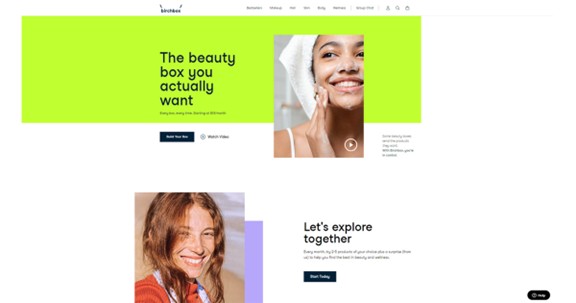
Birchbox uses email storytelling to make customers feel like they’re part of an ongoing journey rather than a one-time purchase cycle. Their emails often introduce products with context—why they were chosen, how they fit into a routine, and what customers can expect next.
Instead of listing features, the emails read like a conversation that continues over time. This approach helps customers stay engaged beyond the first purchase and builds familiarity with the brand.
Mad Tasty: Founder-led storytelling
 Source: CultureMap Austin
MAD TASTY builds its email communication around the personal story of its founder. The emails don’t just talk about the product—they explain the reason behind the brand, the journey, and the challenges faced along the way.
This makes the communication feel more human. Readers aren’t just buying a product; they’re following a story. That connection makes the message easier to relate to and remember.
Rare Beauty: Building emotional connection through real stories
 Source: Rare Beauty
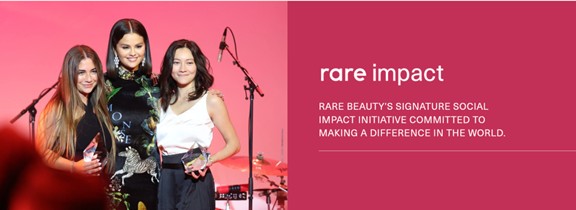
Rare Beauty focuses on sharing real experiences and personal narratives in its email-style communication. The content often highlights real people, real situations, and honest conversations.
This makes the emails feel less like marketing and more like meaningful communication. The emotional layer helps the audience connect with the brand on a deeper level.
This makes the emails feel less like marketing and more like meaningful communication. The emotional layer helps the audience connect with the brand on a deeper level.
Conclusion
Storytelling in ecommerce emails isn’t about adding extra words; it’s about giving your message a clear direction and purpose. When your emails follow a narrative, they stop feeling like promotions and start feeling like conversations your audience wants to be part of.
Each element you build, your brand narrative, the opening hook, relatable characters, real customer experiences, and thoughtful personalization, works together to keep the reader interested and involved. Add emotion where it matters, and guide them with a clear next step, and your emails begin to do more than just land in inboxes; they leave an impression.
Over time, this approach helps your audience recognize your voice, understand your value, and feel more confident engaging with your brand. And that’s what turns occasional readers into consistent customers.
