


One of the most recent advances in email technology, Domain-based Message Authentication, Reporting, and Conformance (DMARC), is also one of the most misunderstood. It plays a role in authenticating the emails you receive, and ensuring that they are not blocked from your inbox.
DMARC ensures that the email you receive or send is legitimate, and authenticates it well against established SPF and DKIM standards. If an email appears to originate from domains that are known to have fraudulent track records, it is blocked.
The two main features of DMARC are reporting and domain alignment. The latter prevents spoofing of the ‘header from’ address by matching the ‘header from’ domain name to the ‘envelope from’ domain name.
DMARC is perhaps the first and only widely used technology that relies on the ‘header from’ address to authenticate emails. This helps protect both customers and brands, and discourages cybercriminals who are less likely to target organizations with DMARC records. DMARC records can be created in as little as 15 minutes if you have the right resources available.
What is a DMARC report?
Whenever an email goes out from your domain, the mail servers that receive it keep a record of what happened. They then send all that information back to you, and that's essentially what a DMARC report is. These reports are typically aggregated and sent periodically (usually daily) rather than for every single email. They show if messages passed or failed SPF and DKIM checks, which sources sent email on your behalf, and how recipient servers handled your DMARC policy (none, quarantine, or reject).
The problem is that these reports usually come as raw XML files, which are pretty tough to read unless you have the right tools.
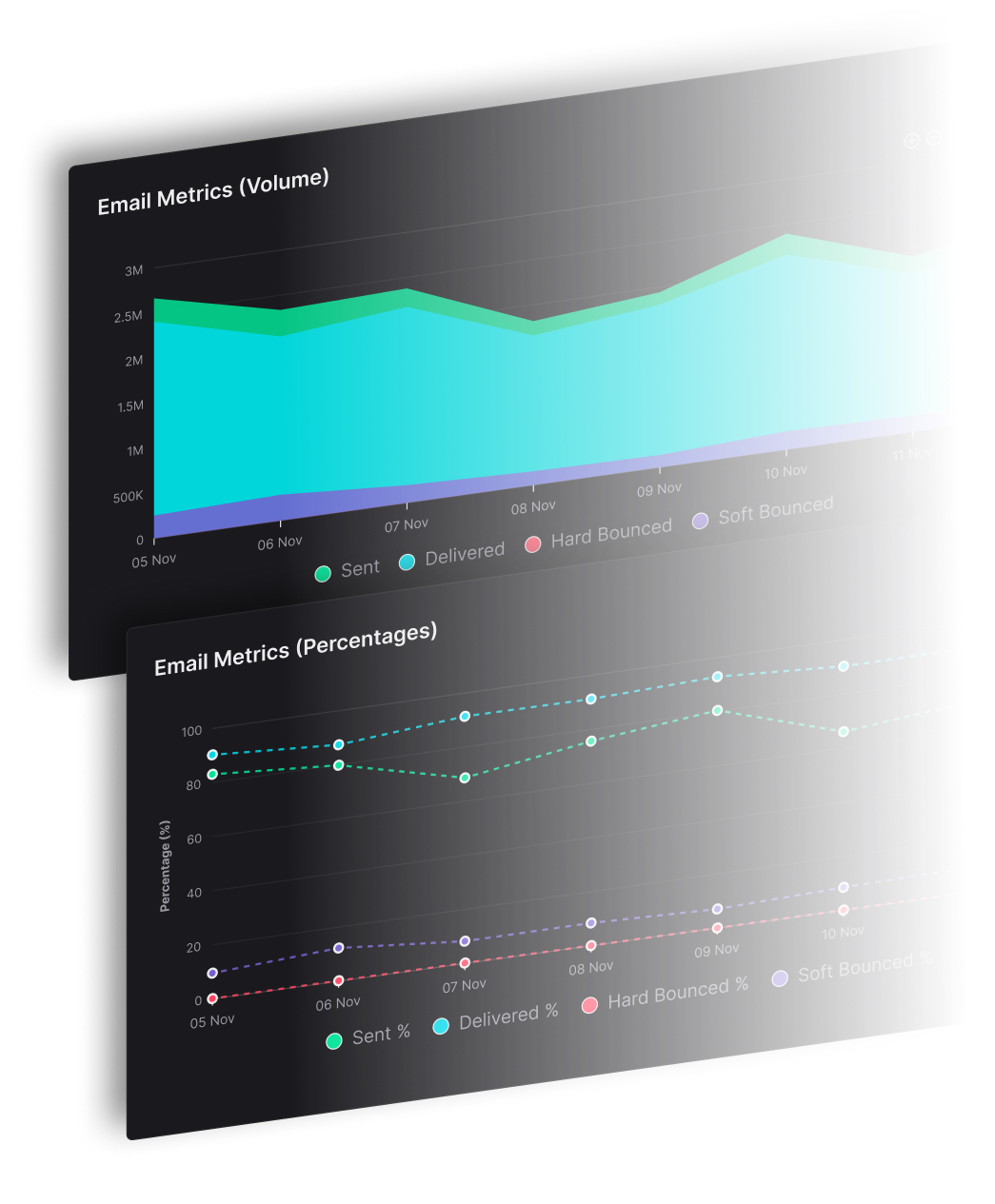
That's where a DMARC report tool comes in handy. DMARKOFF, developed by GlockApps, takes all that complicated data and turns it into visual dashboards, anomaly alerts, and summaries of why your emails didn't get authenticated. That way, instead of reviewing files manually, you can easily identify unauthorized senders, misconfigured services, or any gaps in your email security setup with much more efficiency.
A DMARC reporting tool like DMARKOFF means faster policy enforcement and better protection against domain spoofing and abuse.
