


How Can Online Course Creators Leverage Email Marketing?
As an online course creator, your mission extends beyond just imparting knowledge. It’s about ensuring that your expertise reaches the right audience, those who will truly benefit from what you have to offer.
This blog will walk you through the ins and outs of using email marketing as a powerful tool to connect with potential learners.
Table of Contents
Build an Email List of Your Ideal Customers
The foundation of effective email marketing for online course creators lies in building a robust email list, but not just any list. This list should be populated with your ideal customers: individuals genuinely interested in the subjects you teach and most likely to benefit from your courses. The goal is to curate a list of potential learners who resonate with your content, teaching style, and educational values.
How to do this:
Identify your audience: Understand who benefits most from your courses. Consider demographics, interests, and learning objectives.
Lead magnets: Offer valuable resources (e.g., free mini-courses, eBooks, webinars) in exchange for email sign-ups.
Here's an example from Marie Forleo, creator of successful online courses —
Website optimization: Ensure your website includes enticing opt-in forms.
Social media integration: Use your social media platforms to direct followers to your email sign-up page.
Engaging content: Provide consistent, high-quality content that reflects the value of your full courses.
SendX is an intuitive email marketing tool that can streamline this process. You can create custom embedded forms on your website or landing pages directly through SendX to capture email addresses. To begin teaching online, identify your target audience and build an email list of individuals genuinely interested in your course topics.
Deliver Course Content via Email Drips
Drip campaigns are a series of automated emails sent out on a schedule to subscribers. In online courses, these campaigns can be used to deliver course content over time, providing a structured and engaging learning experience.
This method allows for gradual, consistent engagement with students, making complex topics more digestible and maintaining interest throughout the course.
When choosing a course platform, whether it’s Teachable or a Teachable-alternative, ensure it supports integration with email marketing tools like SendX. This allows creators to run targeted drip campaigns that enhance the student journey and improve course completion rates.
Benefits of Drip Campaigns in Course Delivery:
Consistent engagement: Keeps students regularly involved with new content.
Paced learning: Helps in breaking down information into manageable parts.
Automated follow-ups: Enables automatic check-ins with students to encourage completion.
Tips for Creating Effective Drip Campaigns for Course Materials:
Segment your audience: Understand different levels and interests. Tailor the drip campaign to meet these needs.
Schedule strategically: Plan the timing of emails to align with learning patterns.
Mix content types: Include text, videos, infographics, and quizzes to appeal to various learning styles.
Track engagement: Monitor open and click rates to optimize timing and content.
Incorporate feedback loops: Encourage students to share feedback on course materials to improve future content.
You can set up automation in SendX by creating a drip sequence that automatically sends your prepared emails according to your chosen schedule and triggers.
Create Segments for Tailored Emails
Creating segments in email marketing involves dividing your email list into smaller, more targeted groups based on specific criteria. This allows for more personalized and relevant communication with your audience.
Segmentation types include:
Behavioral segmentation: Based on interactions with your courses and emails .This involves categorizing subscribers based on their interactions with your courses and emails. For instance, you can segment users who frequently open your course-related emails or those who have completed certain courses. This helps in sending targeted follow-up courses or advanced material.
Demographic Segmentation: Divides your audience by age, profession, or background. Here, you divide your audience based on demographic information like age, profession, or educational background. This is particularly useful for courses that are more relevant to specific demographic groups. For example, a course on career advancement might be more relevant to early-career professionals.
Psychographic segmentation: Based on interests, values, and attitudes. This involves understanding the psychological attributes of your audience, such as their interests, values, and attitudes. For example, some learners might prefer self-paced learning, while others might enjoy interactive, community-driven courses.
Geographic segmentation: Useful for region-specific courses or time-zone-based events. This can be particularly useful if your courses have region-specific content or if you plan to conduct live sessions in different time zones.
By understanding the specific interests and past behavior of different segments, you can recommend relevant courses, create targeted promotions, and increase enrollment rates..
In SendX, you can use tags to categorize subscribers based on behavior, interests, or course history.
Send Different Types Of Emails
Email marketing allows course creators to engage with leads and potential students in various ways.
Examples include:
Promotional emails: Highlight unique selling points, discounts, or limited-time offers.
Newsletters: Build community by sharing course updates, industry news, or educational tips.
Survey and feedback requests: Gather insights to refine course content.
Event invitations: Promote webinars, Q&A sessions, or workshops.
Reminder emails: Nudge leads who have shown interest but not completed enrollment.
Newsletters: Regular newsletters help in building a community. They can include course updates, industry news, tips, and insights related to the course topic. Newsletters are less about direct selling and more about providing value to keep your audience engaged.
Survey and Feedback Requests: Engage your audience by asking for their opinions. Surveys can help you understand what your potential students are looking for and tailor your content accordingly.
Event Invitations: If you host webinars, Q&A sessions, or live workshops, email is a great way to invite your audience. These events can provide a taste of what your course offers.
Reminder Emails: For leads who have shown interest or partially completed an enrollment, reminder emails can nudge them towards completing the action.
Analyze the Data to Improve Your Marketing Efforts
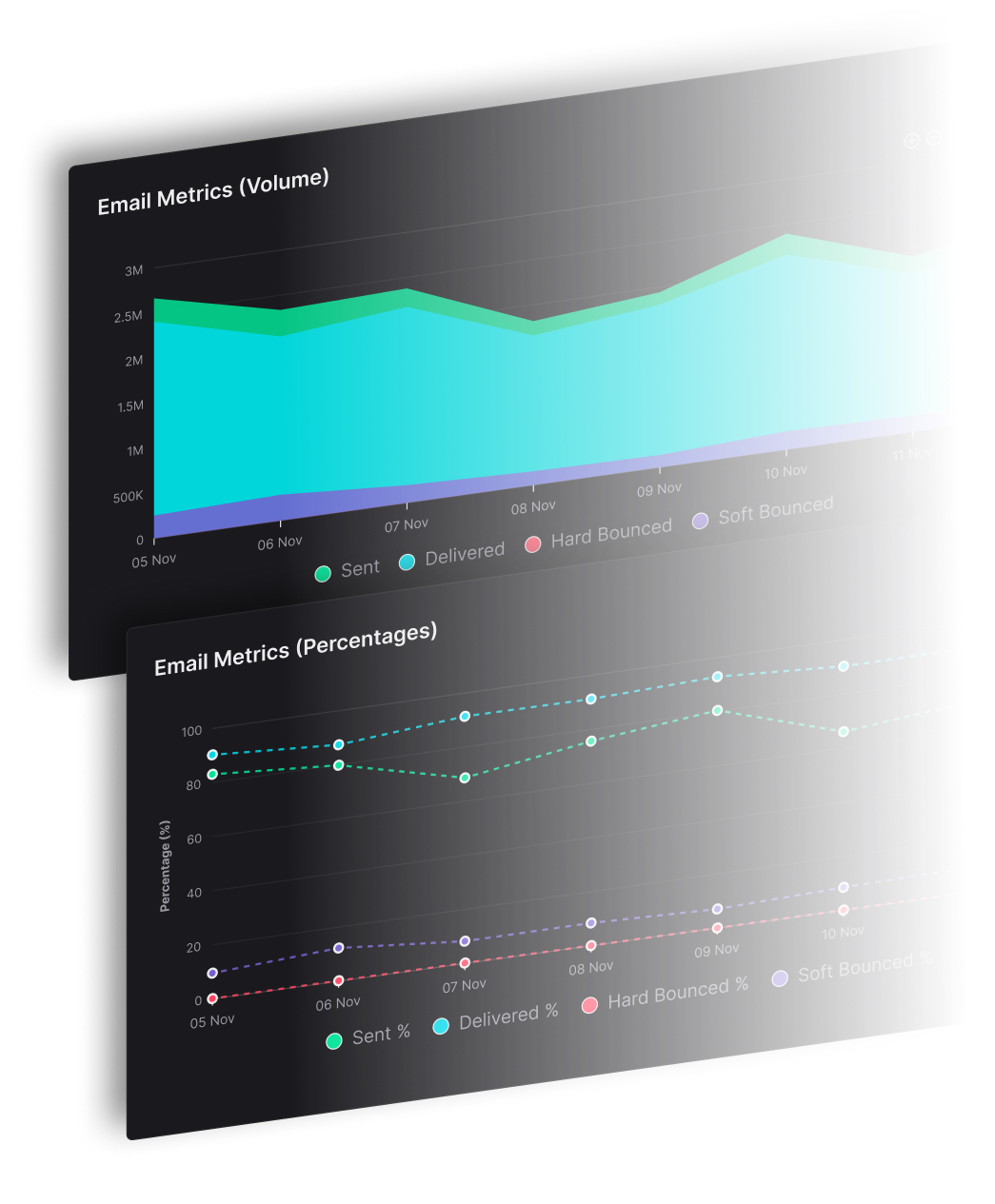
Analytics help you measure the effectiveness of your email campaigns in terms of open rates, click-through rates, and conversions.
Identify which content types (videos, text, infographics) perform best.
Use engagement data to improve future campaigns.
Re-engage inactive subscribers with targeted strategies like discounts or reactivation emails.
Conclusion
In the competitive world of online courses, leveraging email marketing is not just beneficial but essential.
If you’re ready to start executing your email marketing strategy, check out SendX, an all-in-one influencer marketing tool. It offers affordable rates, an easy-to-use platform, and high deliverability to ensure your emails land in the inbox, not the spam folder.
